

Natural vs. Artificial Marble Lamps: A Clear Guide

The Indissoluble Bond Between Marble Lamps and Marble
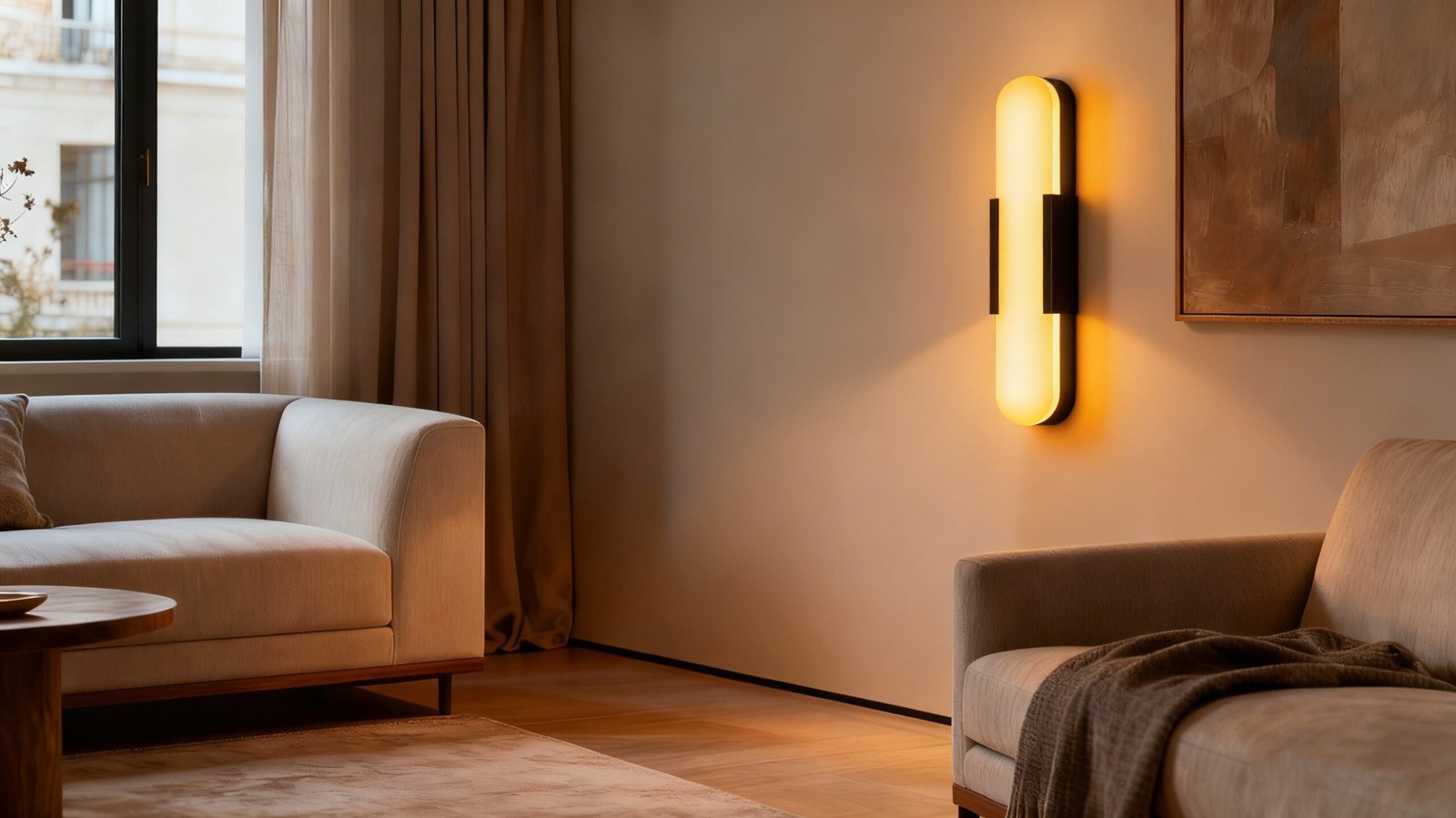
In the realm of home decoration, marble lamps stand out as a unique blend of functionality and aesthetic charm. Unlike ordinary lighting fixtures that merely serve the purpose of illumination, marble lamps, with their marble components, infuse spaces with a sense of elegance, nobility, and tranquility. When the light filters through the marble, it creates a soft, warm glow that bathes the room in a cozy atmosphere, turning a simple living space into a refined haven. Whether placed in a spacious living room, a quiet bedroom, or an elegant entryway, marble lamps become a focal point that elevates the overall style of the decor.
Behind this unique appeal lies the choice of marble material, which is the core element determining the quality, appearance, and even the cultural connotation of marble lamps. The world of marble materials for marble lamps is diverse, mainly divided into natural marble and artificial marble, each with its own distinctive characteristics and charm. Exploring the categories of these marble materials not only helps us better understand the allure of marble lamps but also enables us to make more informed choices when selecting them for our homes.
Natural Marble: A Masterpiece of Nature’s Artistry
The Mystery of Formation
Natural marble is a precious gift from nature, forged through millions of years of geological evolution. Its formation dates back to ancient times when intense crustal movements led to the uplift and subsidence of the Earth’s crust. During this process, carbonate rock formations, such as limestone and dolomite, were subjected to extreme high temperatures and pressures deep within the Earth. Simultaneously, groundwater rich in various minerals seeped into the cracks and pores of these rock layers.
Under the combined action of high temperature, high pressure, and the chemical reactions caused by groundwater, the original crystalline structure of the carbonate rocks underwent a profound transformation. The mineral particles recrystallized and aggregated, gradually forming the dense, hard, and beautifully veined natural marble we see today. Each piece of natural marble is a product of unique geological conditions, making it a one-of-a-kind work of art crafted by nature.
Main Composition and Characteristics
The main component of natural marble is calcium carbonate, which typically accounts for more than 50% of its composition, along with small amounts of other minerals such as magnesium carbonate, silica, and iron oxides. This composition endows natural marble with a range of distinctive characteristics.
One of the notable features of natural marble is its dense crystalline structure, which gives it high compressive strength, allowing it to withstand a certain amount of weight without easily breaking. However, despite its high compressive strength, natural marble has relatively low hardness and is not highly wear-resistant. It is prone to scratches and damage when in contact with hard objects or subjected to frequent friction.
To address this issue and enhance the durability of natural marble used in marble lamps, a process called “crystal hardening treatment” is often employed. This treatment involves applying a special chemical agent to the surface of the marble, which reacts with the calcium carbonate in the marble to form a dense, hard protective layer. This layer not only increases the surface hardness and wear resistance of the marble but also improves its stain resistance and gloss, prolonging the lifespan of the marble lamp.
Microcrystalline and Granular Crystalline Marble
Natural marble can be further classified into microcrystalline marble and granular crystalline marble based on the size and structure of its mineral crystals.
Microcrystalline marble, as the name suggests, has extremely fine mineral crystals, usually with a crystal size of less than 0.1 mm. This fine crystalline structure gives the marble a very smooth, uniform surface texture. The veining on microcrystalline marble is often delicate and subtle, presenting a soft and elegant appearance. It is highly suitable for creating marble lamps that pursue a minimalist and refined style, as its smooth surface and subtle veining can complement the clean lines of modern decor.
In contrast, granular crystalline marble has larger mineral crystals, with a crystal size generally ranging from 0.5 mm to 2 mm or even larger. The crystals are clearly visible to the naked eye, and the surface of the marble has a more distinct granular texture. The veining on granular crystalline marble is often bold and pronounced, with a strong sense of three-dimensionality and natural randomness. This type of marble is ideal for marble lamps designed in classical or rustic styles, as its bold veining and granular texture can add a sense of history and natural charm to the lamp.
The Legend of Spanish Marble
Among the various types of natural marble used in marble lamps, Spanish marble holds a legendary status in the industry, renowned for its exceptional quality and unique beauty. Spanish marble is often compared to jade due to its noble and elegant appearance. It has a high degree of transparency, allowing light to pass through it easily and evenly, creating a luminous effect that is truly captivating.
What sets Spanish marble apart is its natural veining, which resembles floating clouds in the sky, hence the name “cloud marble” in some contexts. These veining patterns are irregular yet harmonious, each piece of Spanish marble boasting a one-of-a-kind design that cannot be replicated. When used in the production of marble lamps, Spanish marble transforms the lamp into a true work of art. When the light is turned on, the light shines through the marble, highlighting the beautiful veining and creating a dreamy, ethereal atmosphere in the room.
Due to its rarity and outstanding aesthetic value, Spanish marble is often used in high-end marble lamps, catering to consumers who pursue luxury and uniqueness in home decor. A marble lamp made of Spanish marble not only serves as a lighting fixture but also becomes a symbol of taste and status, adding a touch of sophistication to any living space.

Artificial Marble: The Dazzling Light of Human Creation
Materials and Production Process
While natural marble exudes the charm of nature, artificial marble, also known as engineered marble, has emerged as a popular alternative in the production of marble lamps, thanks to its unique advantages. Artificial marble lamp panels are typically made from a combination of materials, with resin (such as unsaturated polyester resin) serving as the main binder, mixed with fillers like calcium carbonate powder, aluminum hydroxide, and various pigments to replicate the color and veining of natural marble.
The production process of artificial marble lamp panels involves several key steps. First, the resin, fillers, pigments, and other additives are mixed in precise proportions to form a homogeneous mixture. This mixture is then poured into pre-designed molds, which can be customized into various shapes and sizes to meet the requirements of different marble lamp designs.
After pouring, the mixture in the molds undergoes a curing process, which can be accelerated through heating or by using curing agents. During curing, the resin hardens, binding the fillers together to form a solid panel. Once fully cured, the panels are demolded, and then subjected to further processing such as cutting, polishing, and edge trimming to achieve the desired finish and dimensions.
This production process allows artificial marble to not only mimic the appearance of natural marble but also incorporate modern artistic elements into its design. The veining and colors of artificial marble can be carefully controlled and designed, resulting in a wide range of styles that can cater to diverse aesthetic preferences.
Display of Rich Varieties
The world of artificial marble for marble lamps is incredibly rich and diverse, with a wide range of varieties available, each boasting unique textures and decorative effects.
One popular variety is “colorful cloud marble,” which features vibrant and bold colors, with veining patterns that resemble swirling clouds in a rainbow. This type of artificial marble is full of vitality and creativity, making it perfect for marble lamps used in children’s rooms, modern art galleries, or spaces that aim to create a lively and energetic atmosphere.
Another notable variety is “meijie stone,” which is known for its smooth and delicate surface texture, similar to that of high-quality natural marble. Meijie stone often comes in neutral colors such as white, beige, and light gray, with subtle veining that adds a touch of elegance and sophistication. It is a versatile choice that can complement a wide range of home decor styles, from modern minimalist to classical.
In addition to these, there are many other varieties of artificial marble, such as “jade-like marble” that mimics the translucent and smooth texture of jade, “stone-like marble” that replicates the rough and natural appearance of natural stone, and “glowing marble” that contains luminous materials, emitting a soft glow in the dark. Each variety has its own unique charm, providing endless possibilities for the design and production of marble lamps.
Advantage Analysis
Artificial marble has gained widespread popularity in the construction and decoration industry, including the production of marble lamps, due to its numerous advantages over natural marble.
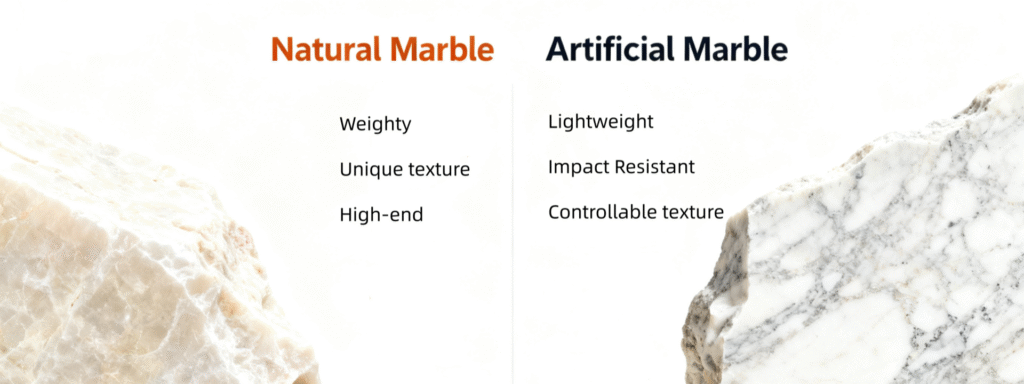
One of the most significant advantages of artificial marble is its lightweight nature. Compared to natural marble, which is dense and heavy, artificial marble has a lower density, making the resulting marble lamps much lighter. This not only makes the installation process of marble lamps easier and more convenient, reducing the need for complex and heavy support structures, but also minimizes the risk of damage to the ceiling or wall during installation.
Another key advantage is its high strength. The resin binder used in artificial marble gives it excellent mechanical properties, including high impact resistance and bending strength. This means that artificial marble lamp panels are less likely to break or crack when subjected to external forces, such as accidental collisions, making them more durable and long-lasting.
Furthermore, artificial marble is non-radioactive. Unlike some natural marbles that may contain trace amounts of radioactive elements, artificial marble is manufactured using non-toxic and non-radioactive materials, ensuring that it is safe for use in homes and does not pose any health risks to residents. This is a crucial factor for consumers who prioritize the health and safety of their families.
In addition to the above, artificial marble also offers advantages such as easy maintenance and a wide range of design options. Its smooth surface is easy to clean, requiring only a simple wipe with a damp cloth to remove dirt and stains. The ability to customize its color, veining, and shape also allows designers to create unique and innovative marble lamp designs that meet the specific needs and preferences of customers.
Ways to Distinguish Between Natural and Artificial Marble
Differences in Veining
One of the most effective ways to distinguish between natural and artificial marble used in marble lamps is by examining their veining patterns.
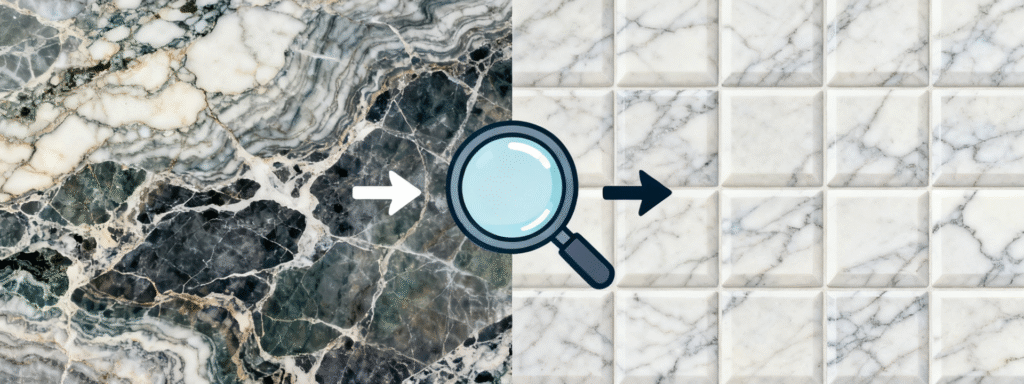
Natural marble’s veining is a product of millions of years of natural geological processes, resulting in patterns that are completely random, irregular, and unique. No two pieces of natural marble have the exact same veining. The veining can be bold or subtle, continuous or discontinuous, and may contain various shades and hues that blend naturally. When observing natural marble under light, the veining appears to have depth and a sense of natural flow, as if it is an integral part of the stone itself.
In contrast, the veining of artificial marble is artificially designed and manufactured. Although it aims to mimic the appearance of natural marble, it often lacks the natural randomness and complexity of natural veining. The veining patterns of artificial marble are usually more regular and repetitive, with a certain degree of symmetry or periodicity. In some cases, especially in low-quality artificial marble, the veining may appear flat and superficial, lacking the depth and three-dimensionality of natural marble. Close inspection may also reveal visible seams or edges where the veining pattern repeats, which is a clear indication of artificial marble.
Weight Comparison
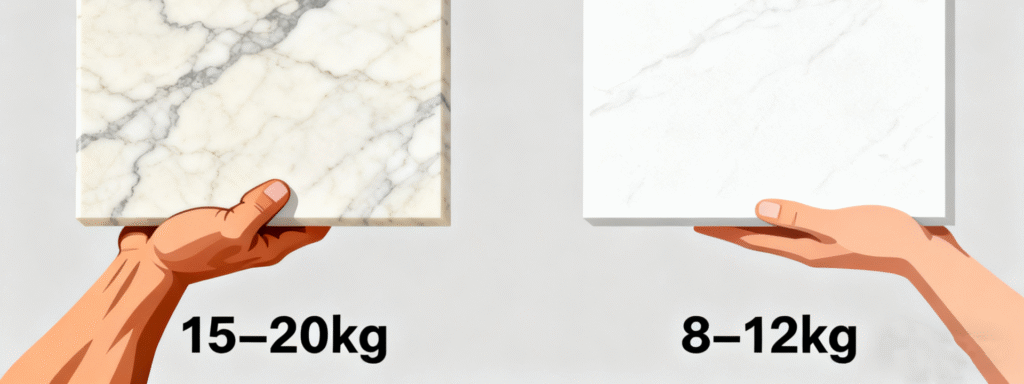
Weight is another important factor that can help distinguish between natural and artificial marble lamp panels of the same size.
Natural marble has a high density due to its dense crystalline structure and the presence of heavy minerals such as calcium carbonate. As a result, a natural marble lamp panel of a certain size will be significantly heavier than an artificial marble panel of the same dimensions. For example, a 60cm x 60cm x 1cm natural marble panel may weigh around 15-20 kilograms, while an artificial marble panel of the same size may only weigh 8-12 kilograms.
When comparing the weight, it is important to ensure that the two panels being compared are of the same size and thickness, as variations in these factors can affect the weight. By lifting or weighing the lamp panels (if possible), one can easily feel the difference in weight, with natural marble feeling much heavier and more substantial.
Distinction in Lighting Effects
The way light interacts with natural and artificial marble also provides a distinct difference that can be used for identification.
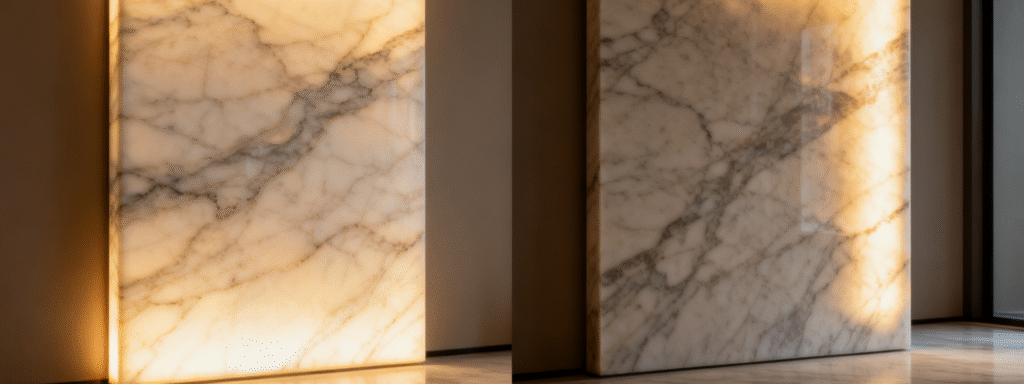
When light passes through a natural marble lamp panel, it diffuses evenly throughout the entire panel, creating a soft and uniform glow. The light is not concentrated in specific areas but rather spreads gently, highlighting the natural veining and texture of the marble. This even distribution of light gives the marble lamp a warm and inviting appearance, with no obvious dark spots or areas of uneven brightness.
In contrast, artificial marble lamp panels often exhibit uneven light distribution. Due to differences in the composition and structure of the artificial material, such as variations in the concentration of fillers or the presence of air bubbles, the light may be blocked or scattered in an inconsistent manner. This can result in some areas of the panel appearing brighter, while others appear darker, creating a patchy or mottled lighting effect. Additionally, the light passing through artificial marble may lack the natural warmth and depth of that passing through natural marble, often appearing more artificial or harsh.
Judgment by Hand Feel and Composition
The feel of the marble surface and simple tests to check its composition can also help distinguish between natural and artificial marble.
When touching the surface of natural marble, it has a cool and smooth feel, even at room temperature. This is because natural marble has good thermal conductivity, quickly transferring heat from the hand, giving a cool sensation. The surface also has a subtle natural granularity, which can be felt when running the fingers over it, a result of its crystalline structure.
Artificial marble, on the other hand, has a slightly warmer hand feel. The resin binder used in its production has lower thermal conductivity, so it does not feel as cool as natural marble. The surface of artificial marble is often very smooth, sometimes even overly smooth, lacking the natural granular texture of natural marble. In some cases, it may have a slightly plastic-like feel, especially in lower-quality products.

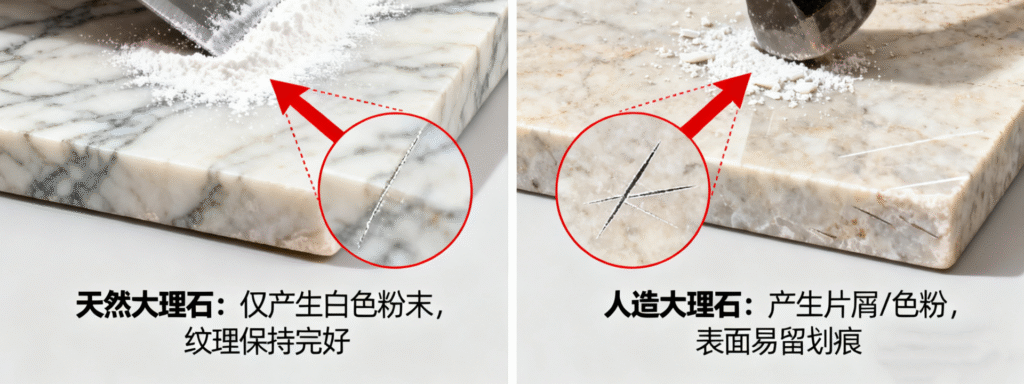
To further judge the composition, a simple test can be performed using a sharp object such as a knife. Gently scraping the surface of the marble (in an inconspicuous area to avoid damaging the lamp) can provide clues. When scraping natural marble, a small amount of fine, powdery residue will be produced, which is mainly composed of calcium carbonate. This powder is white or off-white and can be easily brushed off.
In contrast, scraping artificial marble will produce a different result. Depending on the type of resin used, the residue may be in the form of small flakes or shavings rather than a fine powder. The color of the residue may also differ, often matching the color of the artificial marble itself. Additionally, artificial marble is more prone to leaving a visible scratch when scraped with a knife, while natural marble, despite its lower hardness, may not scratch as easily, or the scratch may be less obvious.
Another test involves tapping the marble with a hard object such as a small hammer or a key. Natural marble produces a clear, crisp, and resonant sound, similar to the sound of tapping a piece of glass. This is due to its dense and uniform structure, which allows sound waves to propagate evenly.
Artificial marble, when tapped, produces a duller, more muffled sound. The presence of resin and fillers in the artificial material absorbs some of the sound waves, resulting in a less resonant tone. This difference in sound can be easily detected by the ear, providing another simple way to distinguish between the two types of marble.
Marble Lamps and the Aesthetics of Life
Adaptation to Home Scenarios
Marble lamps, whether made of natural or artificial marble, have a high degree of adaptability to different home scenarios and can complement a variety of interior design styles, adding a unique touch of beauty to each space.
In a European-style home, natural marble lamps are an ideal choice. European decor often features luxurious and grand elements, such as ornate furniture, intricate carvings, and rich colors. A natural marble lamp, with its noble texture and elegant veining, perfectly matches this style. For example, a chandelier made of Spanish marble with its translucent appearance and cloud-like veining can hang in the center of a European-style living room, casting a soft and warm light that enhances the luxurious atmosphere of the space. The natural marble’s timeless beauty complements the classical elements of European decor, creating a harmonious and sophisticated look.
For a Chinese-style home, which emphasizes simplicity, elegance, and a connection to nature, both natural and artificial marble lamps can be used effectively. Natural marble lamps with subtle veining and neutral colors, such as white or light gray microcrystalline marble, can be paired with wooden furniture and traditional Chinese decorative elements like calligraphy and paintings. The natural texture of the marble echoes the natural materials used in Chinese decor, creating a serene and peaceful atmosphere. Artificial marble lamps, such as those made of jade-like marble, can also be a good fit, as their smooth and translucent appearance mimics the elegance of jade, a precious material in Chinese culture. These lamps can be placed in studies or bedrooms, adding a touch of refinement and cultural charm.
In modern minimalist homes, where clean lines, simple forms, and a neutral color palette are the main features, artificial marble lamps often take center stage. Their lightweight nature and customizable designs make them easy to integrate into the minimalist aesthetic. For example, a sleek table lamp with a colorful cloud marble panel can add a pop of color to a minimalist living room without overwhelming the space. The bold and creative veining of the artificial marble complements the simple lines of modern furniture, creating a dynamic and contemporary look. Additionally, the even light distribution of some high-quality artificial marble lamps ensures that the space is well-lit, enhancing the clean and bright feel of a modern minimalist home.
Cultural Connotation and Emotional Sustenance
Beyond their aesthetic and functional value, marble lamps also carry rich cultural connotations and serve as a source of emotional sustenance for homeowners.
Throughout history, marble has been associated with nobility, elegance, and durability. In ancient civilizations such as Greece and Rome, marble was widely used in the construction of temples, palaces, and statues, symbolizing power, wealth, and artistic achievement. This historical connection has been passed down through the ages, and today, marble lamps continue to embody this sense of nobility and cultural heritage. Owning a marble lamp is not just about having a lighting fixture; it is about connecting to a long history of art and culture, adding a touch of timeless elegance to the home.
In Chinese culture, marble has also held a special place. It is often associated with purity, longevity, and good fortune. The natural veining of marble is sometimes seen as a reflection of the harmony and balance of nature, aligning with the Chinese philosophy.