

How to Pick the Perfect Color Temperature for Your Lighting

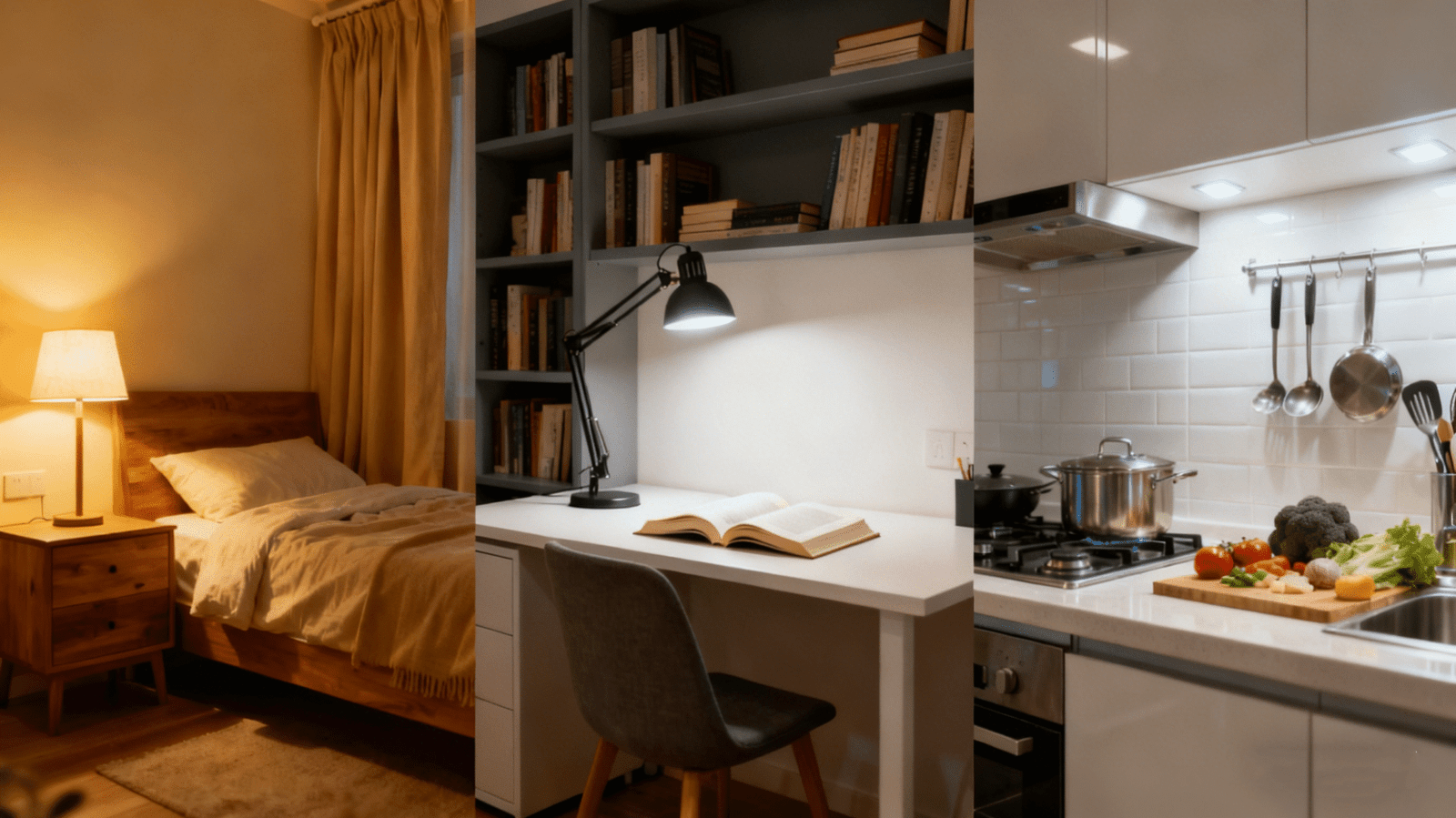
Lighting isn’t just about brightness—it’s about color temperature. The Kelvin (K) number on your bulb defines whether light feels warm, neutral, or cool, and picking the right one can transform how a room looks and feels. Let’s break down the three most common color temperatures and which scenarios they’re perfect for.
A well-chosen color temperature transforms spaces—blending ambiance with functionality for homes, offices, or outdoor areas. This guide simplifies selecting the right Kelvin (K) value, demystifying the science behind light tones to help you create environments that feel intentional, comfortable, and tailored to your needs.
What Is Color Temperature, Exactly?
Color temperature, measured in Kelvin (K), defines the warm or cool tone of a light source. Unlike brightness (quantified in lumens), it’s not about how much light is emitted—but how it “feels.” The concept originates from black-body radiation: a theoretical object heated to different temperatures emits light of varying hues, from red (low K) to blue (high K).
In practical terms, the Kelvin scale for lighting ranges from 2700K (warm yellow) to 7000K (cool blue). Lower values feel cozy and inviting, higher values feel crisp and energizing, and mid-range values mimic natural daylight. Understanding this scale is the first step to avoiding common mistakes—like harsh cool light in a bedroom or dim warm light in a home office.
Why Color Temperature Matters for Mood & Function
Color temperature isn’t just an aesthetic choice—it impacts mood, productivity, and even physiological responses. Warm light suppresses melatonin less than cool light, making it ideal for winding down. Cool light boosts alertness, perfect for task-focused spaces. Neutral light balances both, offering versatility for multi-use areas.
For example: A 3000K bulb in a living room encourages relaxation, while a 5000K lamp in a home office keeps you focused. Outdoor, 6000K security lights enhance safety, while 2700K string lights create a cozy patio vibe. Matching color temperature to a space’s purpose ensures it works as hard as it looks.
Warm Light (2700K–3000K): Cozy & Inviting
Warm light emits a soft golden glow—think candlelight, sunset, or vintage incandescent bulbs. It’s the go-to for spaces where relaxation, connection, or intimacy is key.
Best Indoor Uses for Warm Light
Bedrooms: 2700K bulbs signal the body to wind down, promoting better sleep. Avoid cool light here, as it disrupts melatonin production.
Dining Rooms: 3000K light makes food look more appetizing and creates a warm atmosphere for meals with family or friends.
Living Rooms: Enhances the coziness of sofas, rugs, and wooden furniture, perfect for movie nights or conversations.
Entryways: Greets guests with a welcoming vibe, setting a friendly tone for your home.
Best Outdoor Uses for Warm Light
Patios & Decks: 2700K string lights or wall sconces highlight greenery and seating areas, turning backyards into serene retreats.
Pathways: 3000K low-voltage lights illuminate walkways without blinding guests, adding elegance to landscaping.
Garden Accents: Warm light accentuates flowers, shrubs, and architectural features, creating a magical nighttime ambiance.
Neutral Light (4000K–5000K): Balanced & Versatile
Neutral light (often called “daylight”) falls in the middle of the Kelvin scale. It’s crisp but not cold, bright but not harsh—mimicking the natural light of an overcast day. This makes it the most versatile option for spaces where clarity and true color representation are key.
Best Indoor Uses for Neutral Light
Kitchens: 4000K under-cabinet lights and recessed fixtures illuminate countertop tasks (chopping, cooking) with precision, helping you distinguish ingredients and spot spills.
Home Offices & Studies: 5000K desk lamps reduce eye fatigue during long work sessions, keeping you alert without straining.
Bathrooms: 4500K light provides even, true-to-color illumination for makeup application, shaving, or checking your appearance. It avoids the yellow cast of warm light or blue tint of cool light.
Laundry Rooms: 4000K lights help you spot stains, sort clothes, and fold laundry accurately.
Best Outdoor Uses for Neutral Light
Outdoor Kitchens & Grilling Areas: 4500K light lets you see food clearly while cooking, balancing functionality with a welcoming vibe.
Walkways & Stairs: Neutral light enhances visibility for navigation without clashing with natural surroundings.
Pool Areas: 5000K lights illuminate water safely, making evening swims enjoyable while maintaining a natural look.
Cool Light (6000K–7000K): Crisp & Energetic
Cool light has a bright, blueish tint—similar to commercial fluorescent lights or overcast daylight. It’s designed for spaces where maximum visibility, productivity, or security is the top priority.
Best Indoor Uses for Cool Light
Garages & Workshops: 6000K overhead lights or floodlights illuminate large areas with sharp clarity, helping you spot small details in tools or projects.
Home Gyms: 7000K lights boost motivation during workouts and help you see form clearly, preventing injuries.
Basements & Attics: Cool light brightens windowless spaces, making them feel more usable for storage, hobbies, or home offices.
Commercial Spaces: Retail stores, warehouses, and offices rely on 6000K–7000K fixtures to keep employees productive and customers focused.
Best Outdoor Uses for Cool Light
Security Lighting: 6000K floodlights or motion sensors deter intruders by illuminating large areas with intense, clear light. They also enhance surveillance camera performance.
Large Yards & Parking Areas: Cool light cuts through darkness effectively, making it ideal for illuminating expansive outdoor spaces.
Commercial Landscaping: Office parks, shopping centers, and public spaces use cool light for safety and visibility.
Key Factors to Consider Beyond Kelvin
Color Rendering Index (CRI)
CRI measures how accurately a light source reveals the true colors of objects. Aim for a CRI of 80+ for most spaces. Warm light (2700K–3000K) often has a lower CRI, which is less noticeable in bedrooms or living rooms. Neutral and cool light (4000K–7000K) typically have higher CRIs, making them better for kitchens, bathrooms, or art studios.
Natural Light
Rooms with abundant natural light may need cooler temperatures to complement daylight (e.g., 4000K in a sunlit home office). Dimly lit spaces benefit from warmer tones (e.g., 3000K in a basement living room) to add warmth without harshness.
Dimmable Bulbs
Warm light pairs well with dimming, retaining its softness at lower brightness. Cool light can feel harsh when dimmed, so neutral light (4000K) is a better choice for dimmable setups.
How to Mix Color Temperatures for Depth
You don’t have to stick to one color temperature per room! Layering different tones creates depth and versatility:
Bedroom: 3000K overhead lights for relaxation + 4000K task lamp for late-night reading.
Kitchen: 4000K recessed lights for countertop tasks + 3000K pendant lights over the island for warmth.
Outdoor Space: 3000K patio lights for ambiance + 6000K security lights for safety.
Expert Resources for Further Guidance
For detailed insights on color temperature and lighting design, refer to the description of color temperature in the wiki.
Final Tips for Choosing Color Temperature
Test Samples: Purchase bulbs in different Kelvin values to see how they look in your space at different times of day.
Match Fixtures: Vintage-style bulbs or chandeliers complement warm light; modern fixtures (e.g., LED recessed lights) work well with neutral or cool light.
Prioritize Function: Let the space’s use guide your choice—relaxation = warm, task = neutral/cool, security = cool.
Don’t Overlook Outdoor Lighting: Color temperature is just as important outdoors as indoors—balance ambiance and safety.
By understanding how color temperature influences your environment, you can select lighting that enhances every space’s unique purpose. Whether you’re designing a cozy bedroom, a productive home office, or a safe backyard, the right color temperature will transform your space into one that feels both functional and inviting.